
Project
Agricultural transition
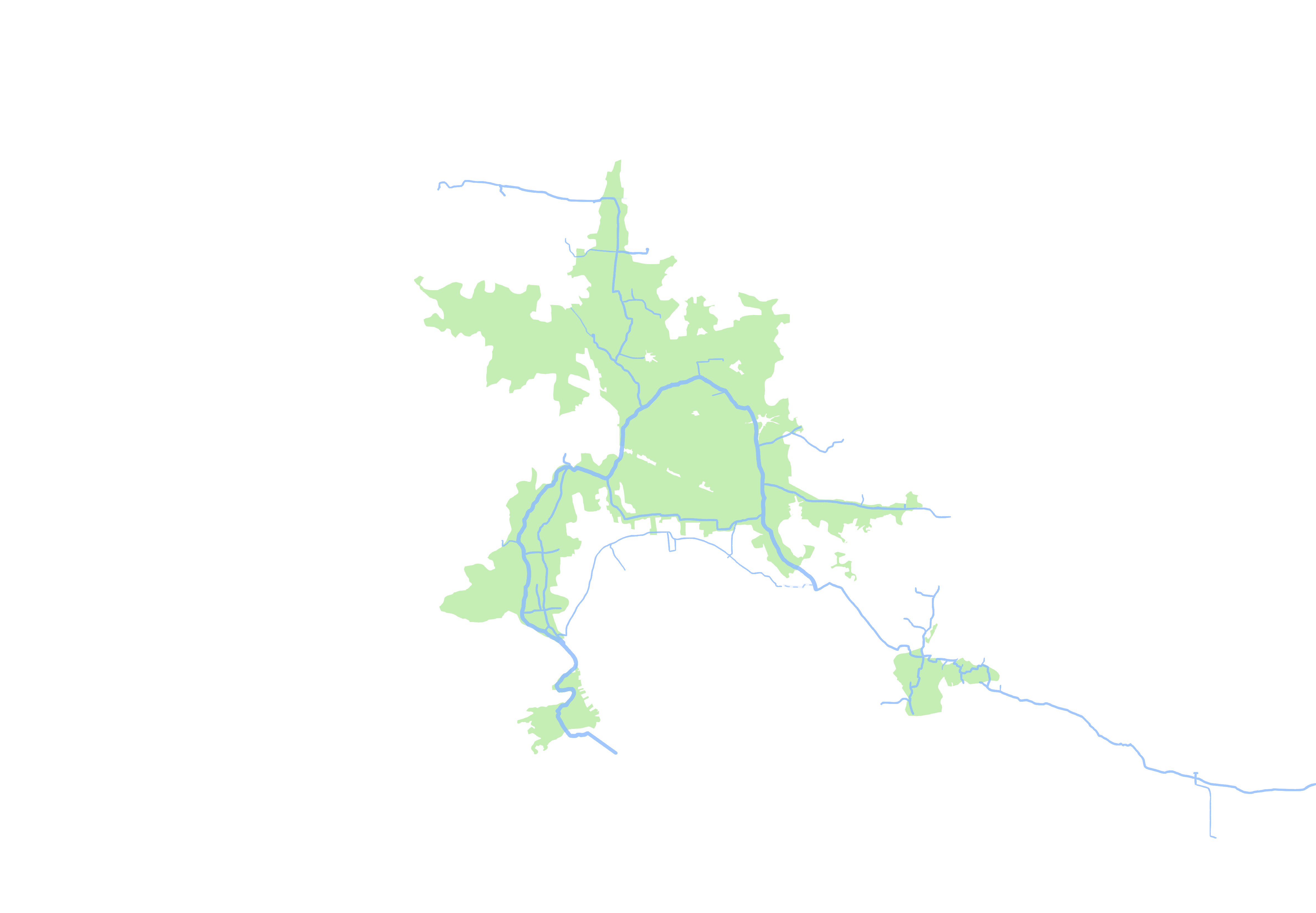
Orange farming is practised too intensively in this region, driving unreasonable water consumption that is wholly out of step with today's climate. Ageing orange trees require astronomical amounts of irrigation just to produce commercially viable fruit. This overexploitation depletes the water table and degrades soil quality over the long term. Given the urgency of the ecological crisis, it has become essential to rethink these farming practices.
The farmers who work this land are not willing to abandon the orange — they have raised it to the status of cultural heritage — and that makes initiating any transition all the more difficult.
Replacing crops with better-suited alternatives
To set this change in motion, the oldest and most water-hungry trees will be gradually uprooted. Mixed cropping helps protect the soil: farmers will plant species capable of retaining moisture in the ground, alongside aromatic and medicinal herbs. These new crops have the advantage of being economically viable while drastically reducing the region's water footprint.
Optimising water resources
Beyond the choice of plants, the transition relies on a complete overhaul of maintenance and irrigation methods. The goal is to stop losing a single drop of water to evaporation or needless runoff. Several modern and nature-based techniques are combined across the new farms to achieve this.
- Laying a thick layer of straw around the base of trees retains soil moisture and prevents evaporation from the sun.
- Drip irrigation systems deliver water directly to plant roots, eliminating waste.
- Strict control of pesticide use protects soil biodiversity, which improves its natural capacity to retain water and, above all, preserves the already badly damaged water table.
The role of European funding
Such a restructuring represents a significant upfront cost that farmers cannot bear alone. This is where European agents come in, offering an ecological transition contract. They travel to the field to provide technical training and support producers through this shift in model.
In exchange for this support, farmers commit to meeting strict transition targets. If these ecological benchmarks are reached, they receive European funds dedicated to sustainable agriculture as well as financing from private stakeholders seeking to improve their environmental footprint.
Preparing the infrastructure transition
Preparing the infrastructure transition begins with research into water exchanges between the various karstic rivers, in order to better understand underground flows and discharge variations. In the mountains of Kiveri, a comprehensive analysis of the karstic field makes it possible to identify the areas most suited to water capture, storage and redistribution.
On the basis of these assessments, a karstic pumping station can be built. This facility would replace Kiveri's failing dam and provide access to a freshwater source five times greater than the volume currently flowing through the Anavalos canal. Pumped directly from the river, the flow can be controlled according to water demand using six powerful pumps.
Infrastructure costs
Preparing the transition also requires a precise assessment of infrastructure costs. A project of this scale cannot be financed at the local level alone, and European funding is therefore essential to make its implementation possible. Without this support, the necessary investments would be too great to be sustainably absorbed by the Greek public system.
Beyond the construction itself, operating the future network also represents a significant ongoing cost, particularly due to high electricity demands. To reduce this energy dependency and keep running costs down, several wind and photovoltaic projects will be developed at various locations across the plain.
Laying the groundwork for a healthy transition
This project is set to fundamentally reshape the character of the plain. To ensure this transformation reflects the expectations of its residents and farmers, landscape architects will be entrusted with its implementation. Their role will be to bridge the gap between cultivated land, gardens, irrigation systems and the rural identity of the area — ensuring a transition that is coherent, balanced, and respectful of local ways of life.
Rewilding
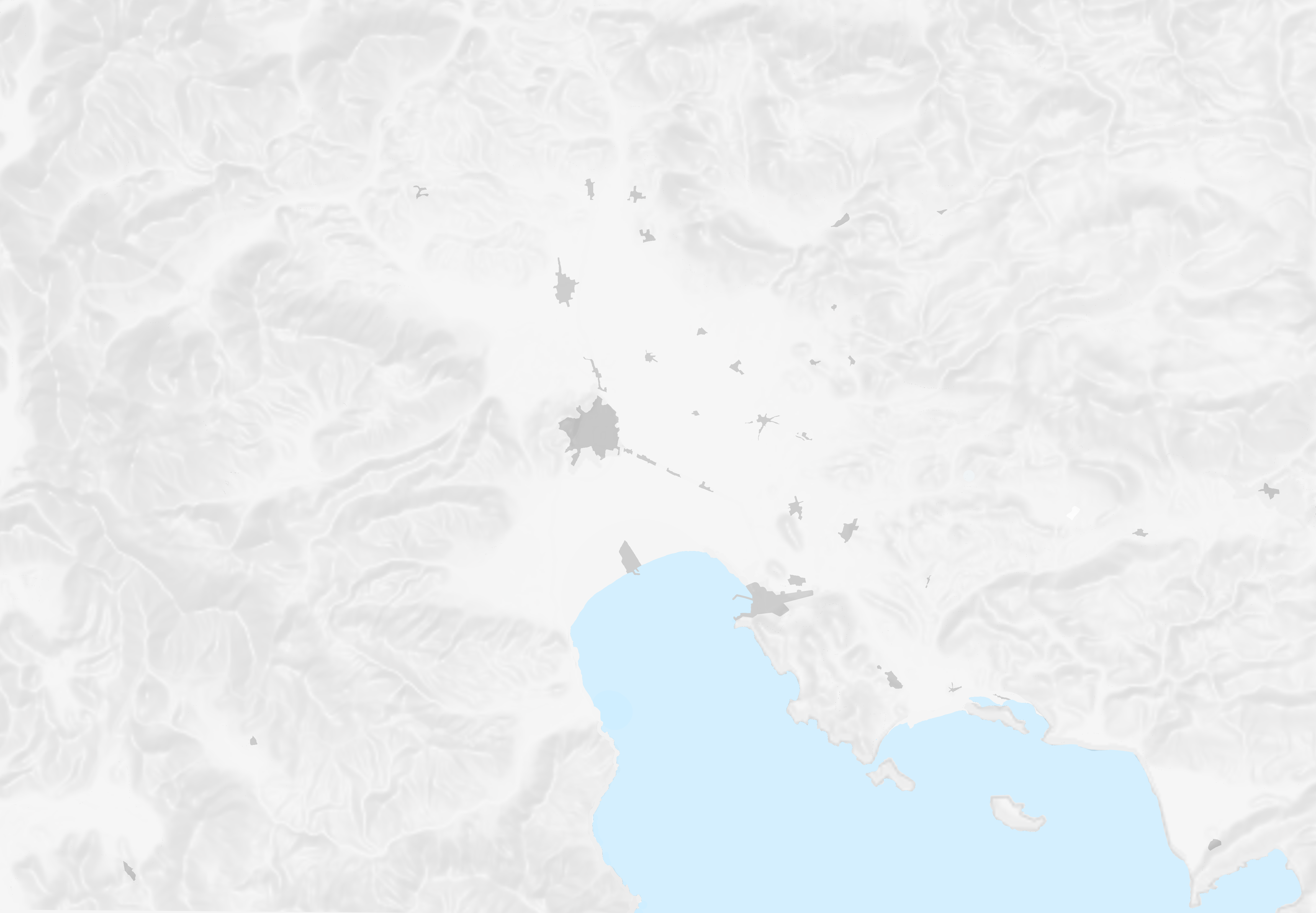
Rising sea levels and continuous pumping from the water table are profoundly disrupting coastal balance. The constant extraction of fresh water encourages seawater to seep inland, causing a gradual and irreversible salinisation of the soil. Cultivable land is steadily receding in the face of this encroachment, giving way to the formation of a vast salt marsh along the coastline. To adapt to this change, it has become necessary to accept this evolution and make the most of it, rather than fighting a losing battle against the sea.
Cleaning up and rewilding the gulf
The soils and waters along the coastline are contaminated by accumulated plastic waste and pesticide use. To restore this shoreline, a complete decontamination of the area has been planned. This thorough clean-up will enable the rewilding of the coast, turning polluted wastelands into spaces capable of accommodating rising waters.
Protecting Nea Kios through water management
Safeguarding urban infrastructure also calls for flexible, resilient adaptation measures. The streets of Nea Kios, directly threatened by rising sea levels, need to be protected from flooding and marine submersion. Rather than building concrete walls or levees, the chosen strategy draws on nature: wide channels will be dug to capture and redirect water towards the uncultivated wetland areas.
By channelling water into these flood zones, the marsh will act as a sponge and a protective buffer. This approach secures homes while nurturing a natural environment that encourages the return of coastal biodiversity. The paths through this natural space will remain open — welcoming tourists cycling around the gulf.
Renovation
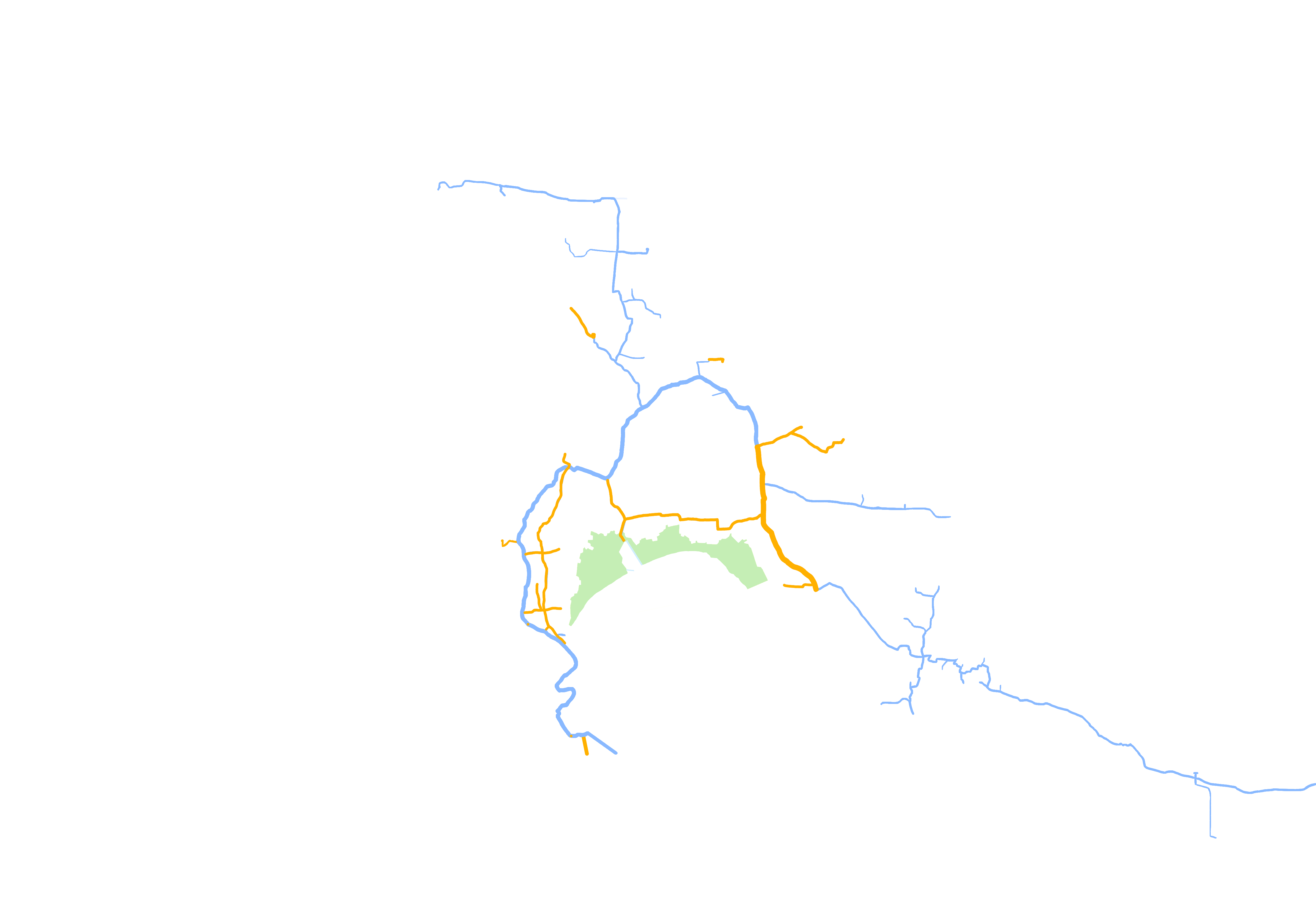
The second phase of the project involves a thorough renovation of hydraulic infrastructure that has fallen into disrepair. Many pipes are now leaking, several redistribution sites have major losses, and the treatment plants at Kefalari, Argos and Nafplio all suffer from significant leaks. By following the water's path along the canal, each link in the system will be repaired, modernised or relocated where necessary.
Along the gulf, some pipelines will be decommissioned, as rising sea levels now compromise their integrity. To continue delivering quality drinking water, the network will rely more heavily on the main canal branch, with treatment handled locally. This reorganisation is designed to secure the water supply while reducing the vulnerability of coastal installations.
From losses of 60%, these renovations should bring the system down to around 10% — securing a resource that is far too precious to squander. Where droughts once brought dread, communities will now be able to anticipate crises and protect their water supply.
Myloi
At Myloi, the Lerna station currently lacks the capacity to handle the strong inflows from the Lerna karstic river. During rainy periods, water surges from the spring in abundance and, with no adequate storage in place, 80% or more flows straight into the sea. To address this, a large basin will be built facing the village to temporarily hold freshwater before treatment.
This new facility will enable better regulation of water distribution across the network. Instead of being lost, this resource can be stored, treated and then sent to households. The basin will therefore play a central role in securing the drinking water supply for this part of the territory.
Treatment
Thanks to the canal renovation, the water flowing through it will be kept clear of salinisation and will once again be fit for treatment and consumption. The treatment plants at Kefalari, Argos and Nafplio will be reconnected to the renovated canal to restore a more reliable supply. At the same time, new treatment stations will be installed in the north of the plain, at Tolo and Iria, to better meet the needs of areas that have historically been underserved.
Ultimately, this project will transform the entire water supply system. It is not simply a matter of repairing worn-out equipment, but of rebuilding a more coherent and reliable network. At last, the residents of the Argos plain will benefit from more consistent access to safe drinking water.
Agricultural transition, part 2
With the extension of the canal and access to a better-managed freshwater supply, these territories can now begin their own agricultural transition. Access to water does not mean greater consumption — quite the opposite. It means learning new practices aimed at conserving it and preserving the resource over the long term. The arrival of water therefore comes hand in hand with new training programmes, better oversight of usage and a modernisation of irrigation methods.
In this context, farms are being reorganised around the specific needs of olive cultivation, which is naturally more drought-resistant. Unlike other agricultural sectors, this transition does not require uprooting old olive trees, but rather adapting practices around them. Improved irrigation, more precise water management and better soil maintenance make it possible to sustain production while reducing dependence on the water table.
Extension
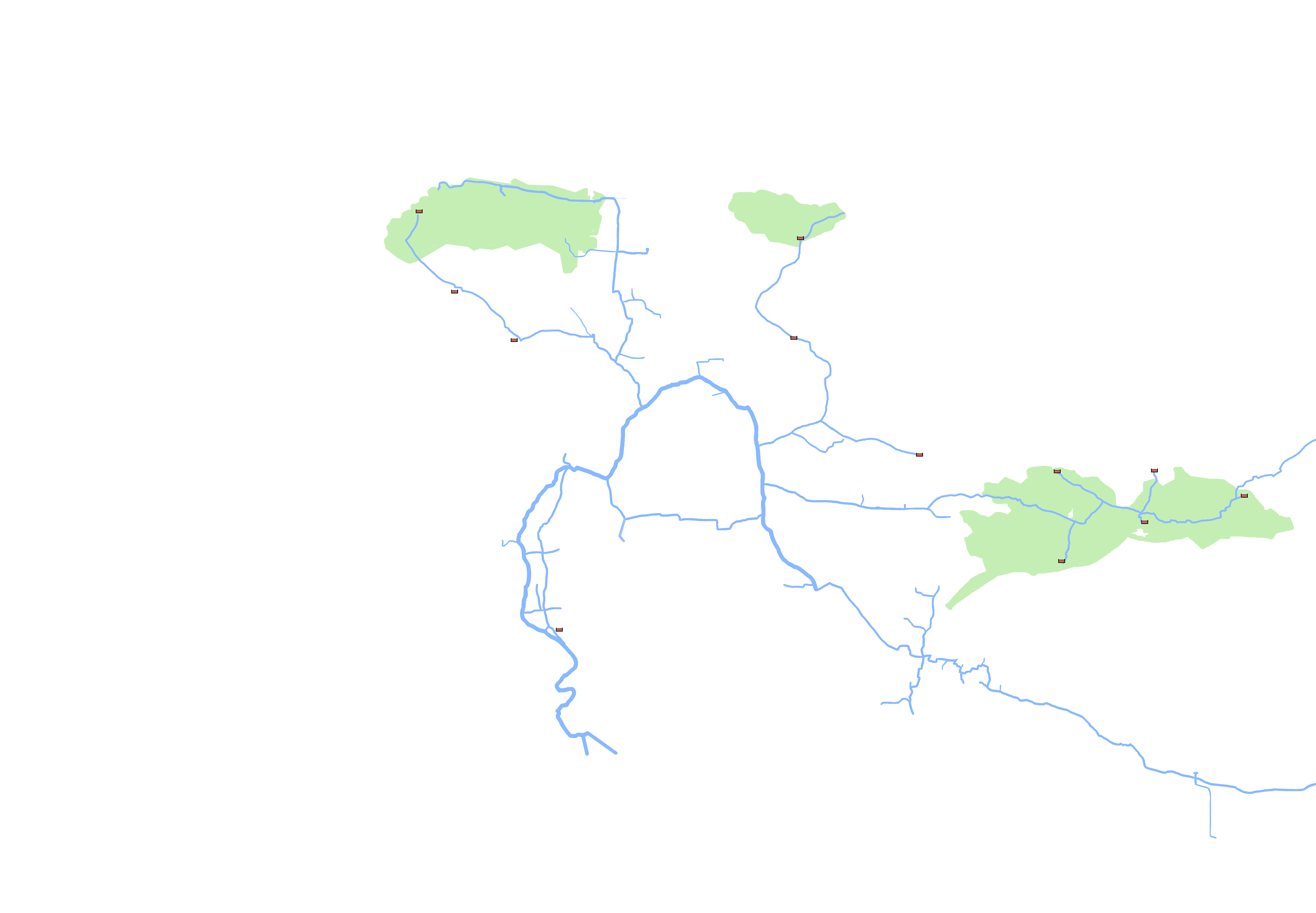
For a long time, the northern areas of the plain and the Lygourio region were left out of canal extension plans. Farmers had to manage their own financing and simply could not afford such a costly piece of infrastructure. With the arrival of European support dedicated to the territory's transition, this extension has finally become a real possibility. It aims to ease pressure on the water table — particularly for irrigating olive groves — and to ensure more stable access to fresh water in villages that have long been cut off.
Following the renovation of the existing system, water will be able to reach these more remote areas through an expanded and modernised network. The new canal routes will follow existing paths wherever possible, to keep costs down, minimise heavy construction work and reduce the impact on the landscape. To ensure effective water distribution, the project will be complemented by new storage basins, two new water treatment stations to deliver drinking water, and updated distribution infrastructure.
These new facilities will connect isolated territories and contribute to shaping a new rural landscape. With the arrival of the irrigation system, the hills of Lygourio will turn green once more, and among the olive trees, distribution points will offer hikers and cyclists shade and a place to rest along their route through the Argolid.