
Infrastructure Obsolescence: When Water Disappears Before Reaching the Fields
- The Argolid loses more than 60% of its running water
- Irrigation infrastructure will be completely obsolete within 5 years
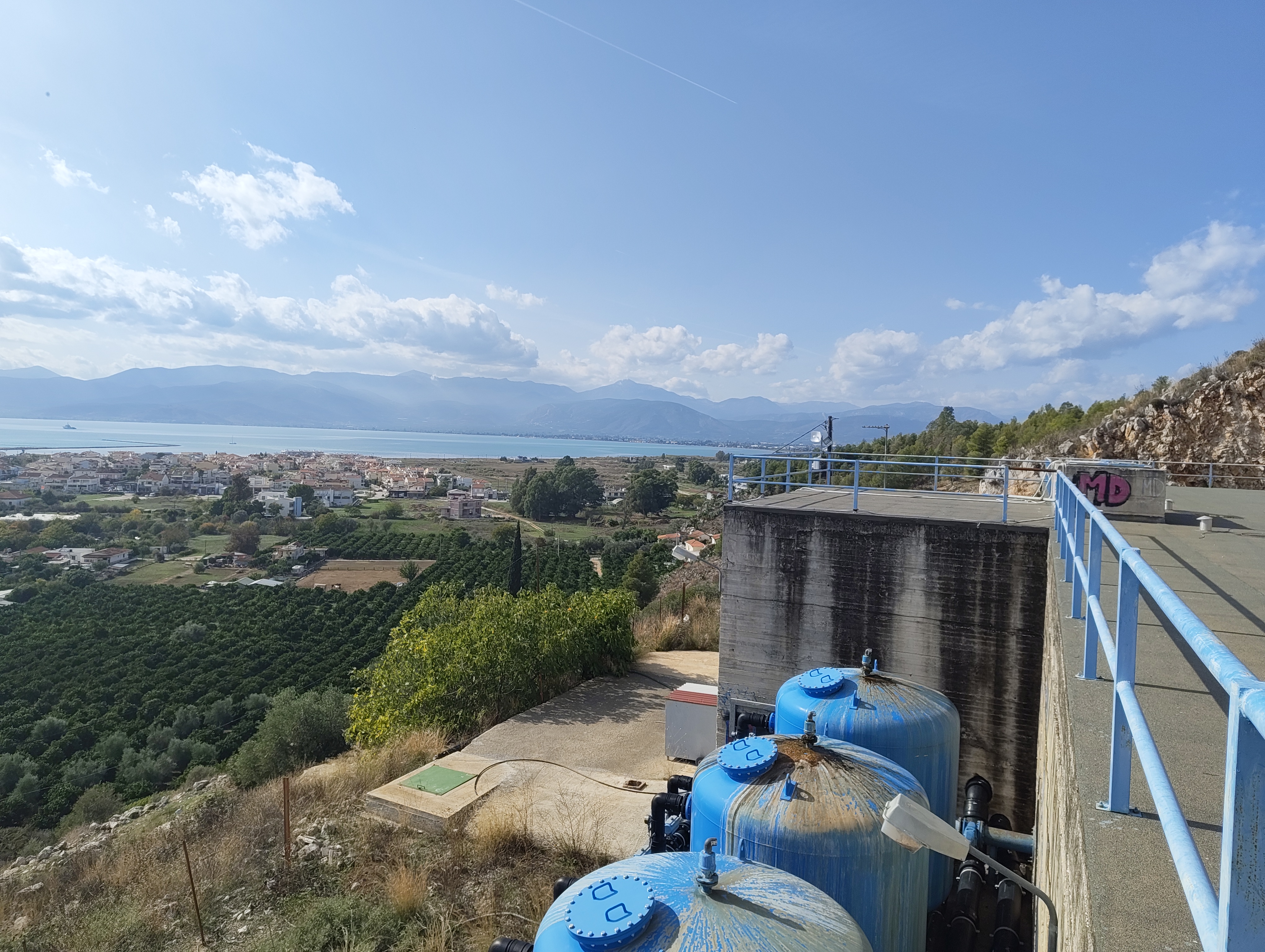
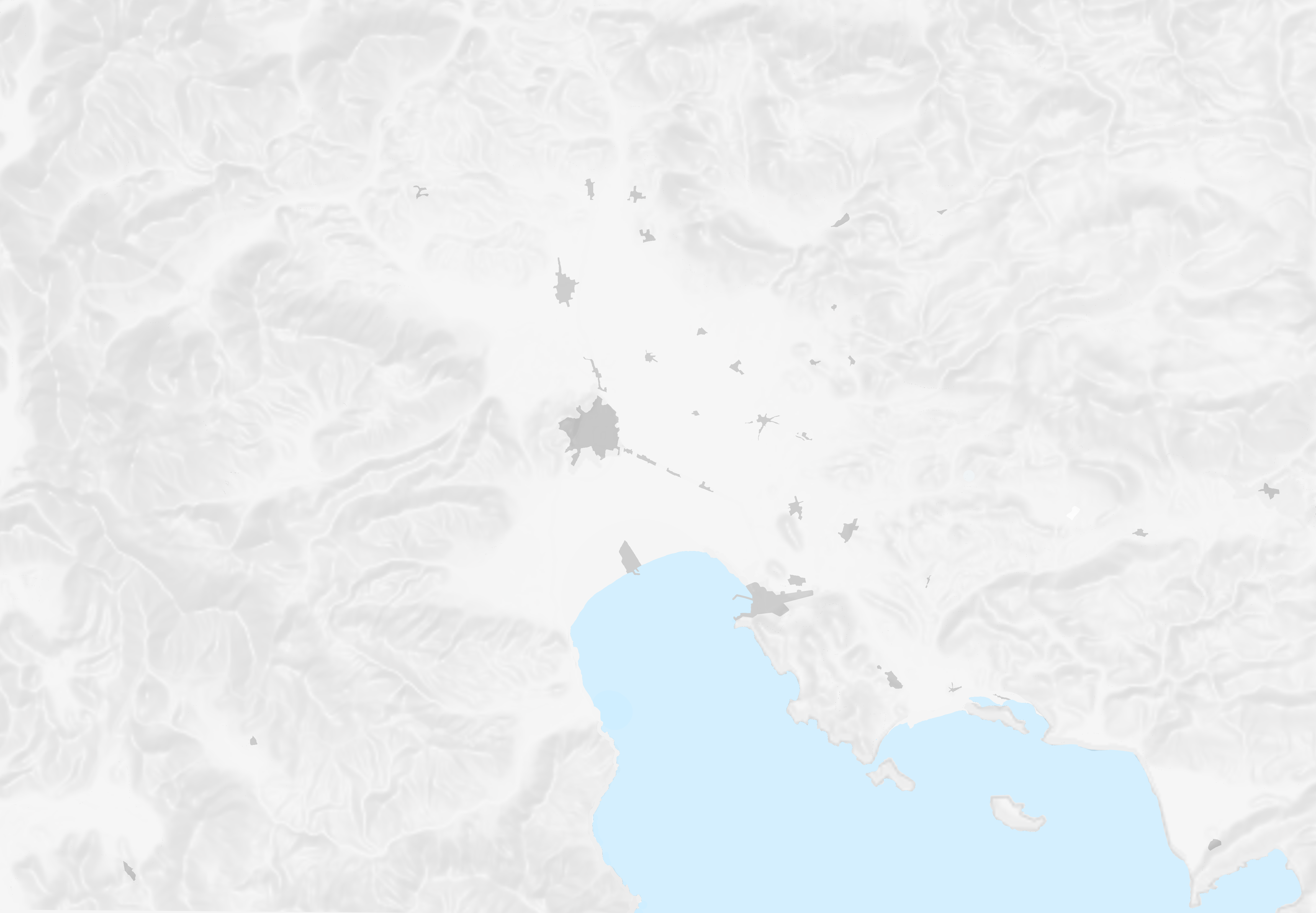
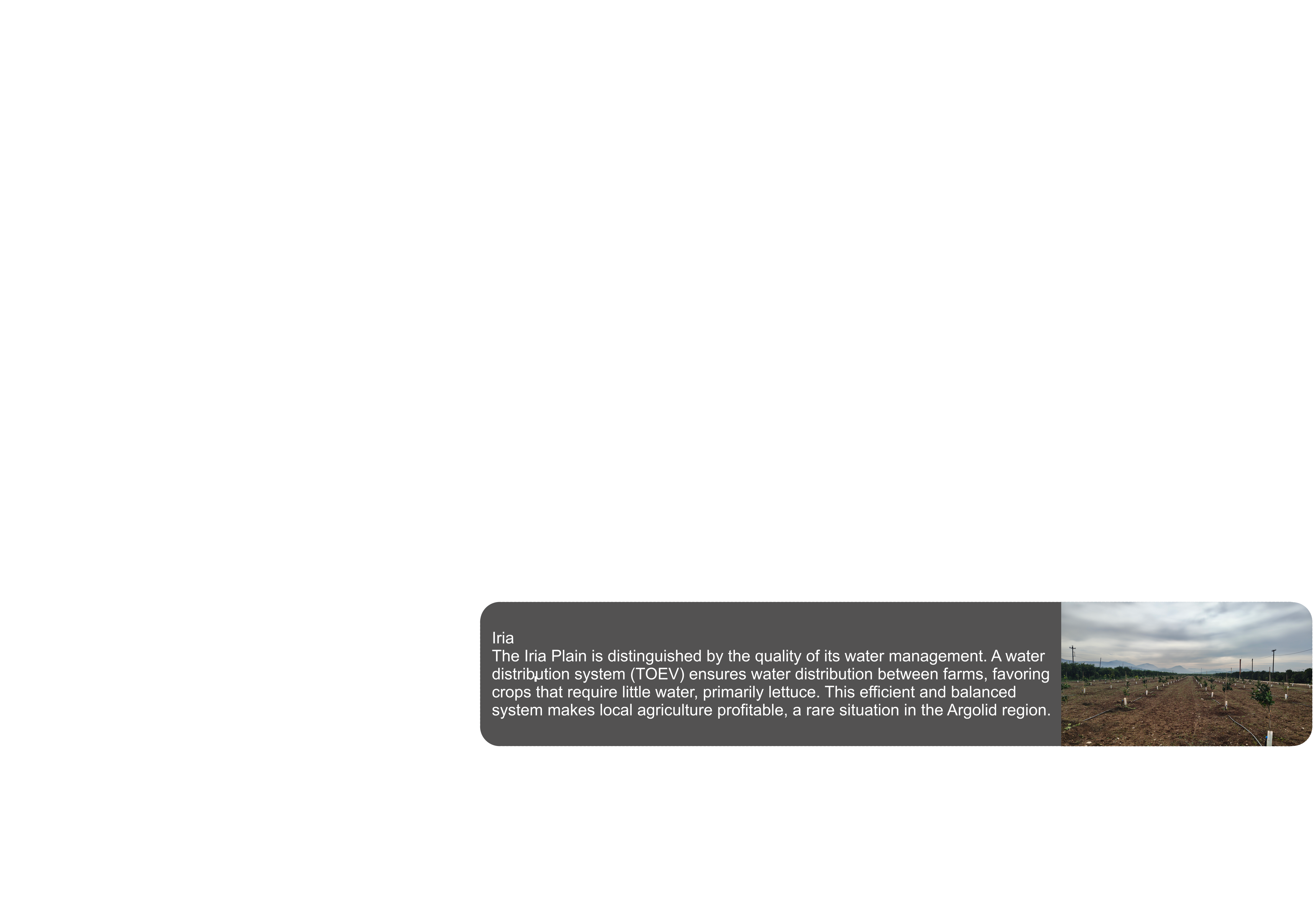
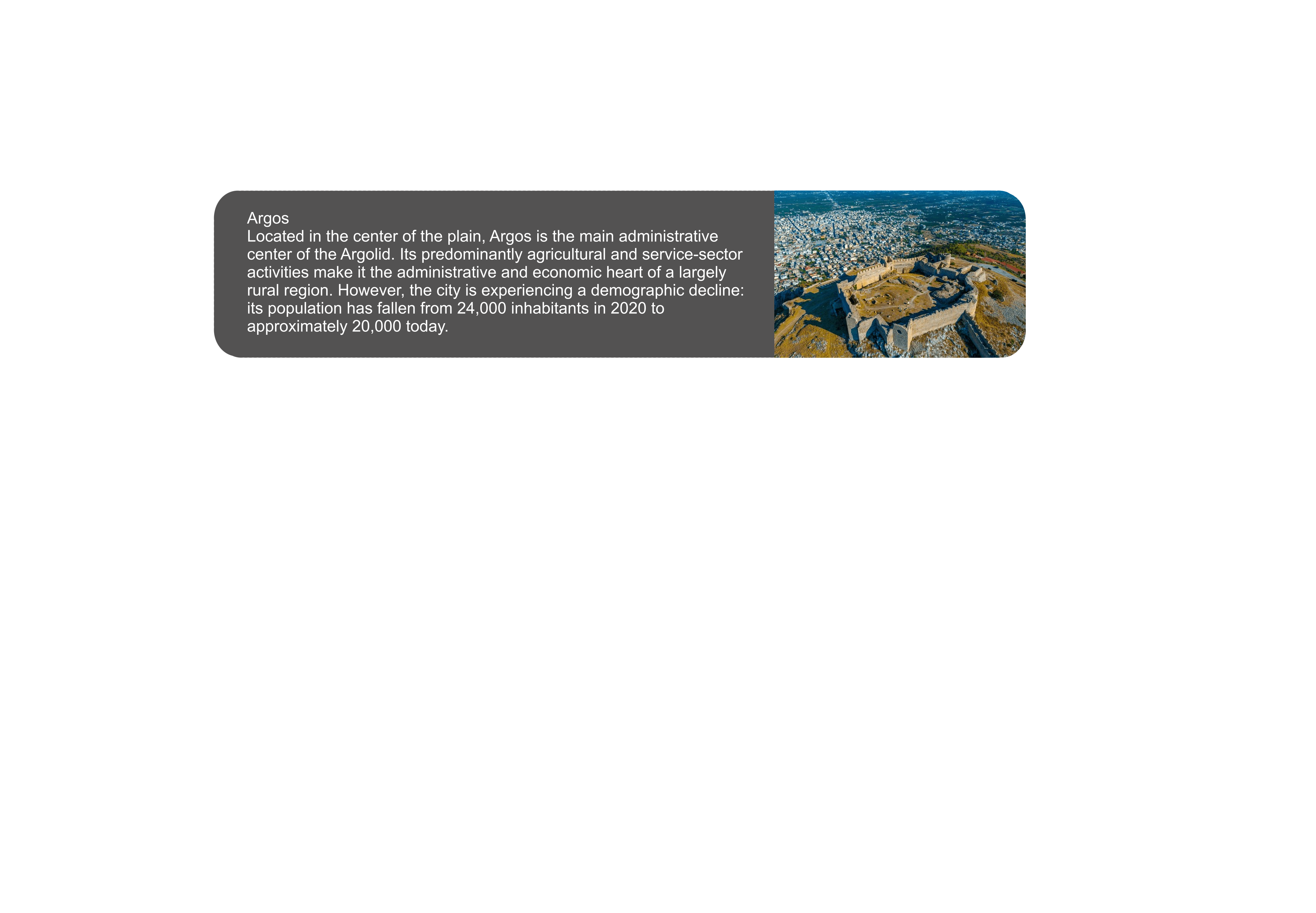
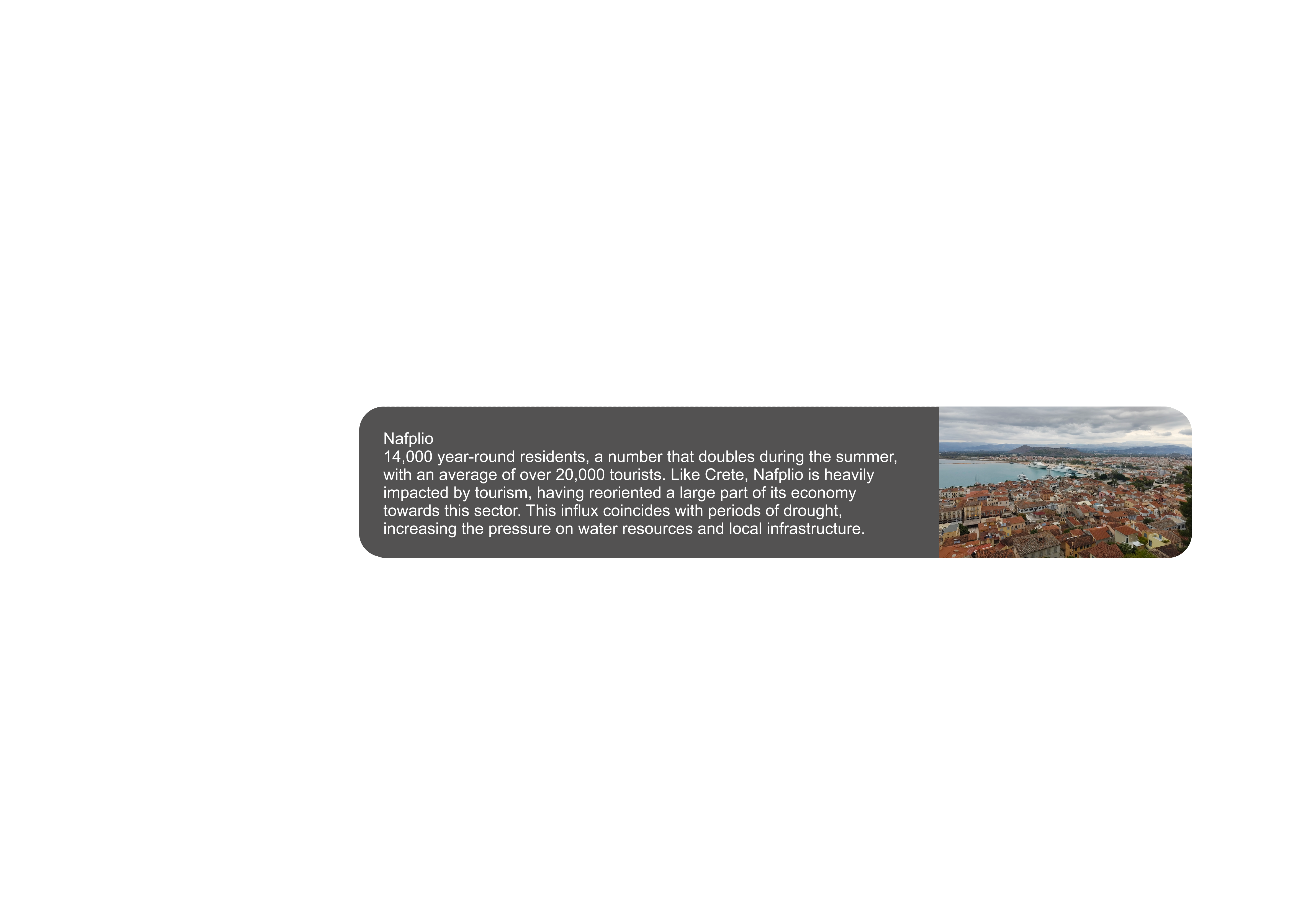
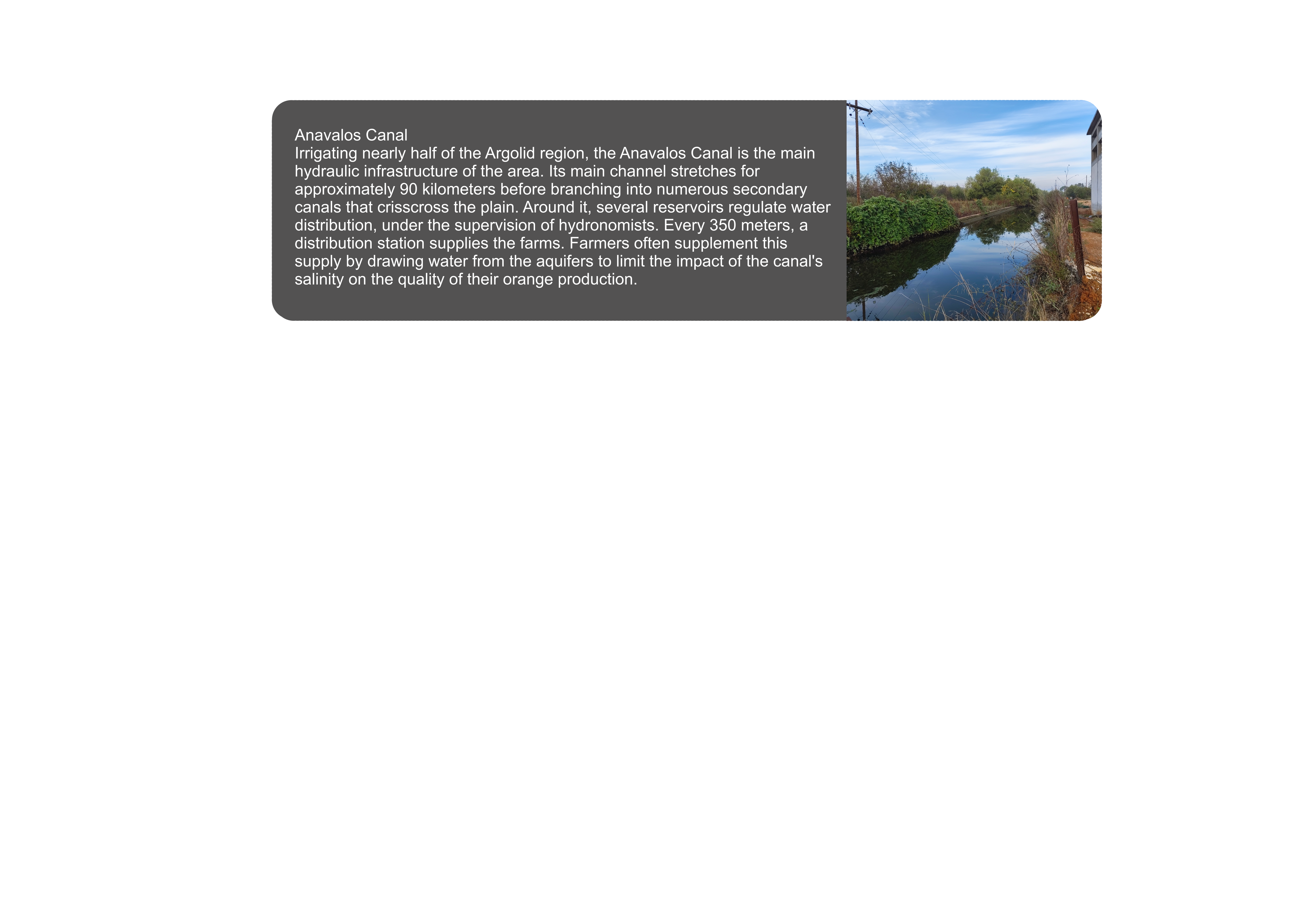
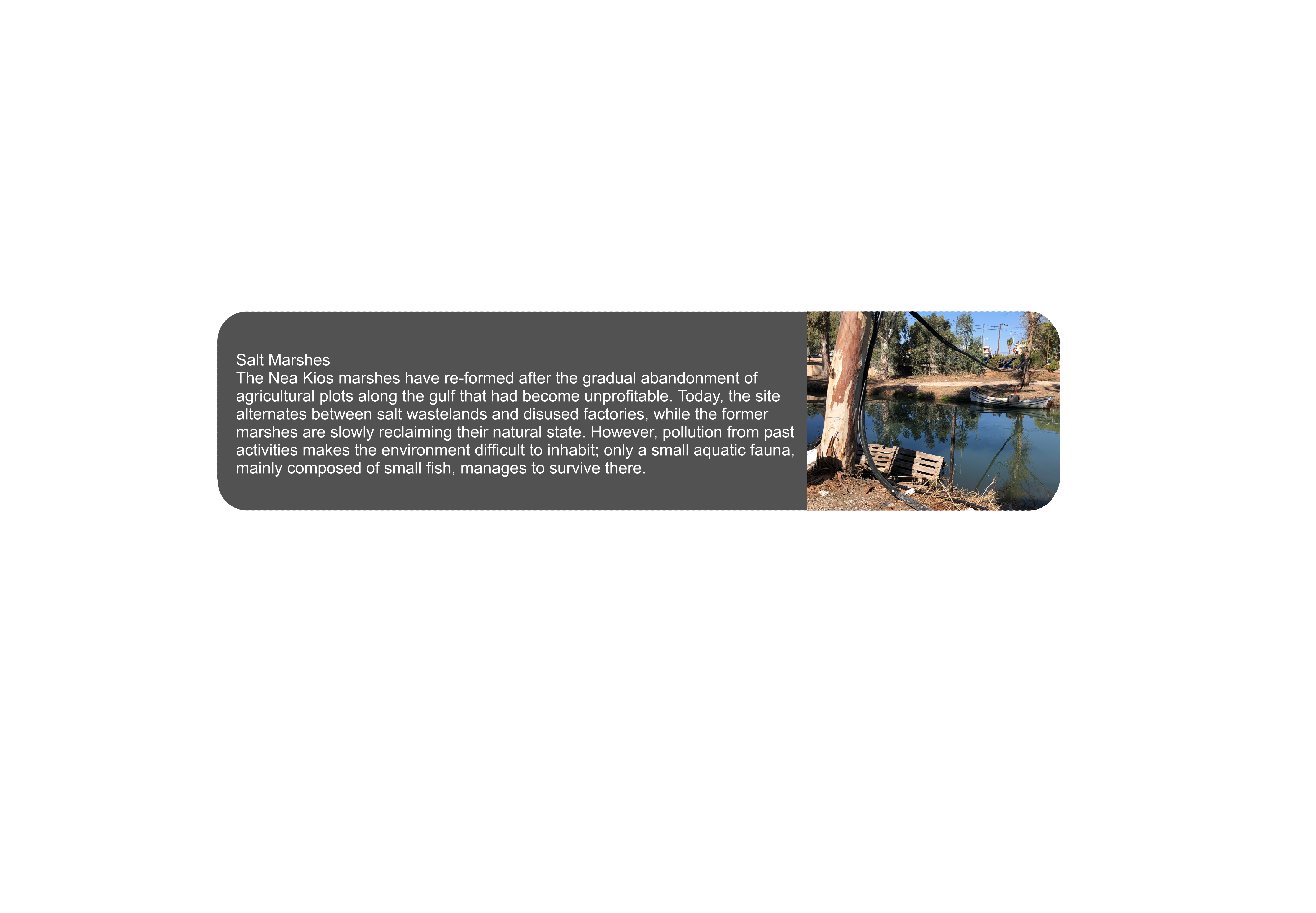
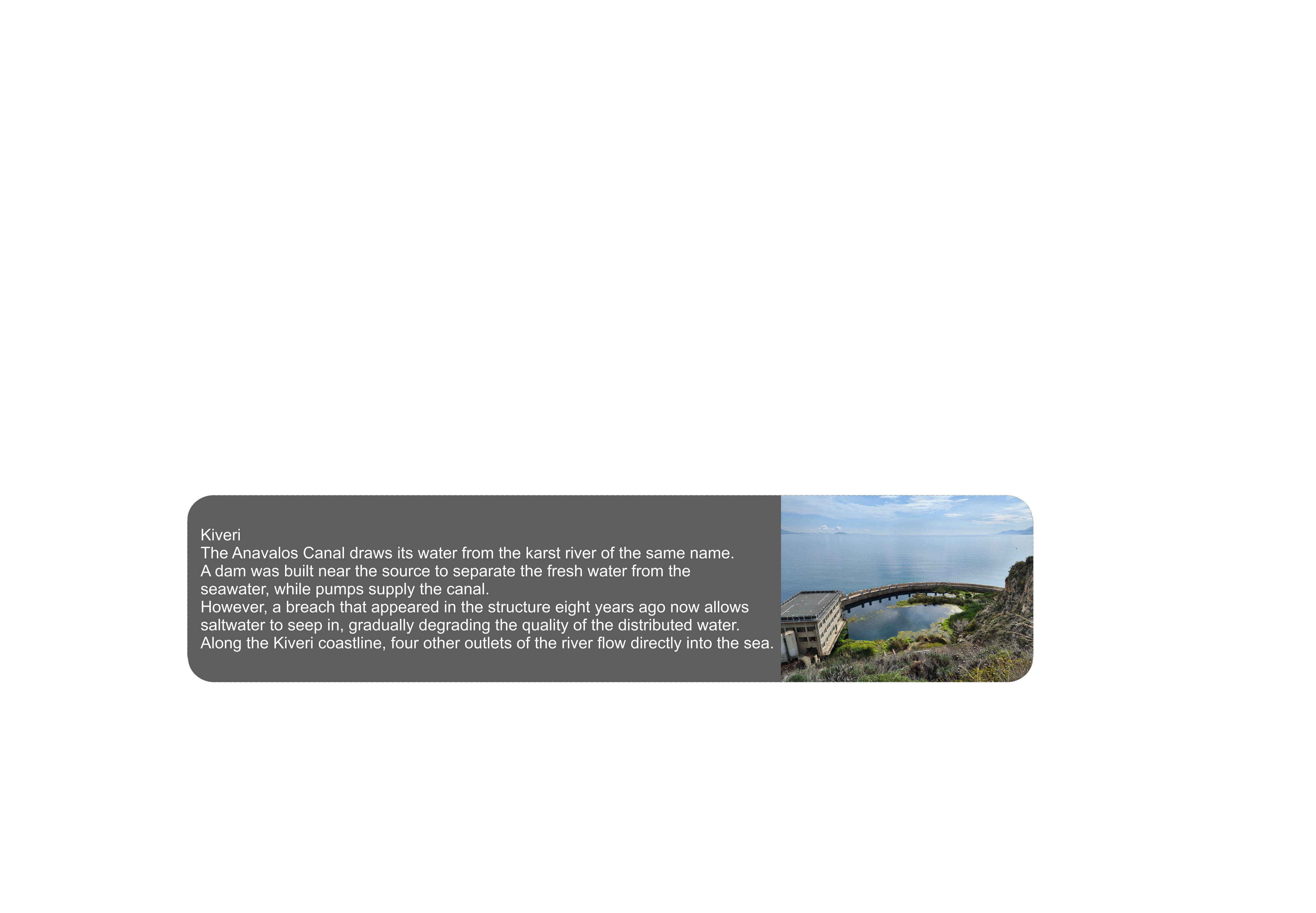

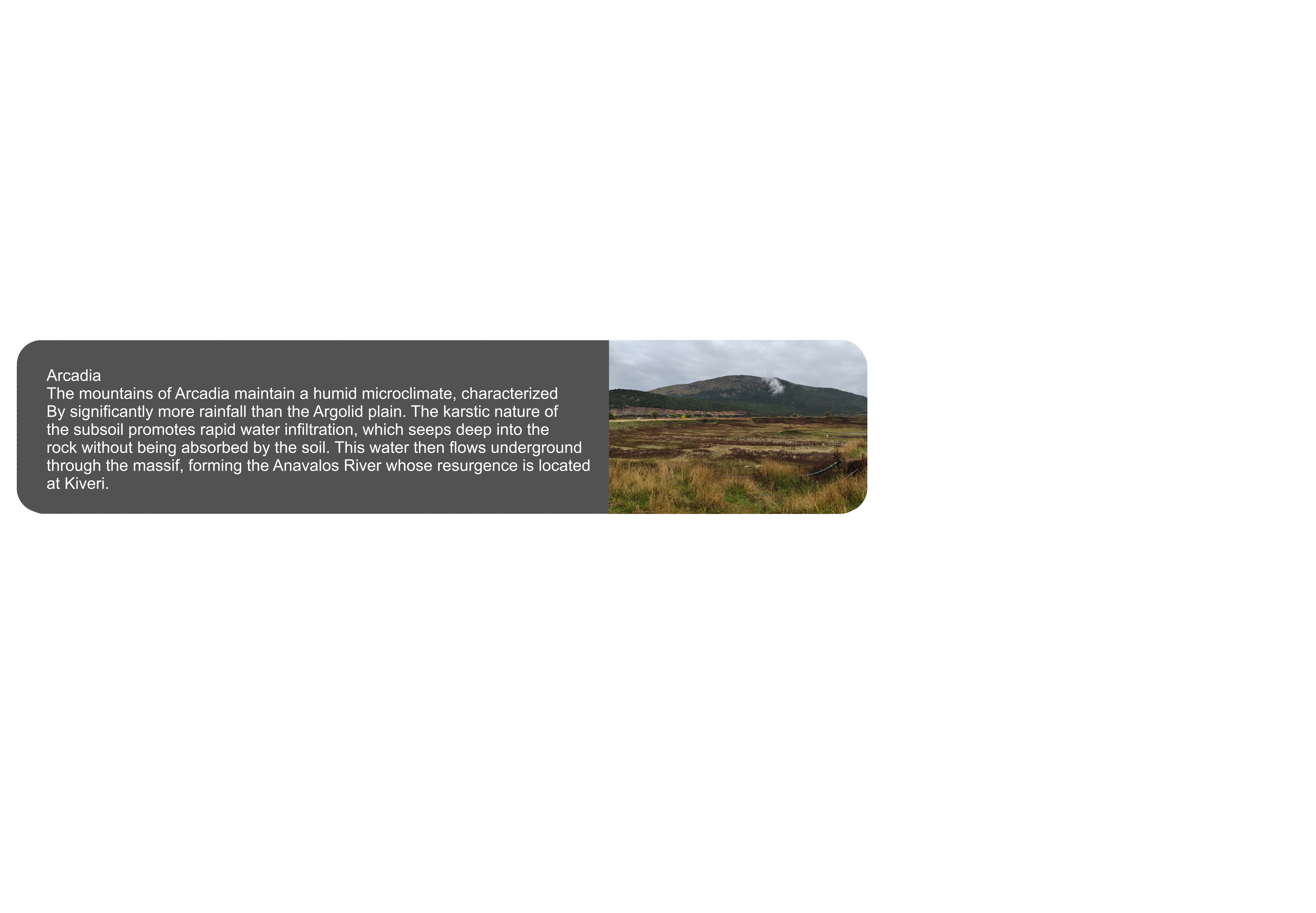
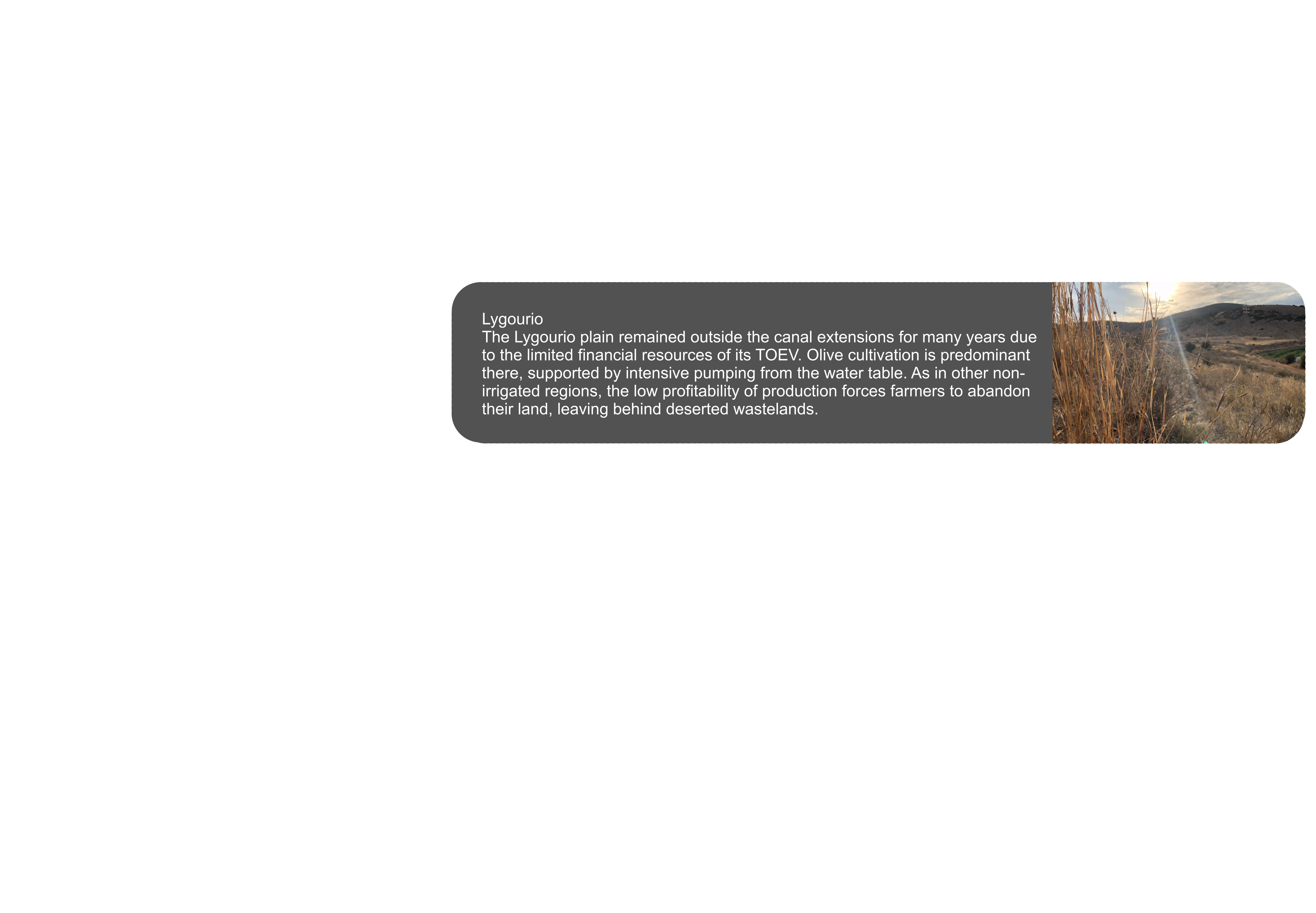
In Argos, the distribution of drinking water highlights the limitations of a system marked by dilapidated infrastructure, salt water, and fragmented governance. Between leaking pipes, ineffective backup stations, and reliance on bottled water, the Argos plain faces a water crisis affecting both cities and rural villages.
Water distribution infrastructure in southern Greece is struggling to cope with prolonged droughts and increasingly unpredictable winters. Between cracked canals, over-pumped aquifers, and isolated villages, access to drinking water is becoming a political issue.
In May 2025, a scandal involving the embezzlement of European agricultural funds broke out; an estimated 23 million euros had been stolen since 2018. Farmers are speaking out against these injustices.
The TOEVS are community organizations that manage infrastructure projects, including irrigation and energy. A look at their importance to the Argolis region.
The water management and road infrastructure projects in the Argos Plain have permanently steered the region toward specialized irrigated agriculture, at the expense of other land uses. Orange and olive cultivation has become a mixed blessing, caught between economic profitability and pressure on local resources and landscapes.
Over the past twenty years, soil and groundwater salinization has spread beyond its natural habitat. Caused by human activities, these environmental changes threaten the sustainability of the plain and its agriculture.
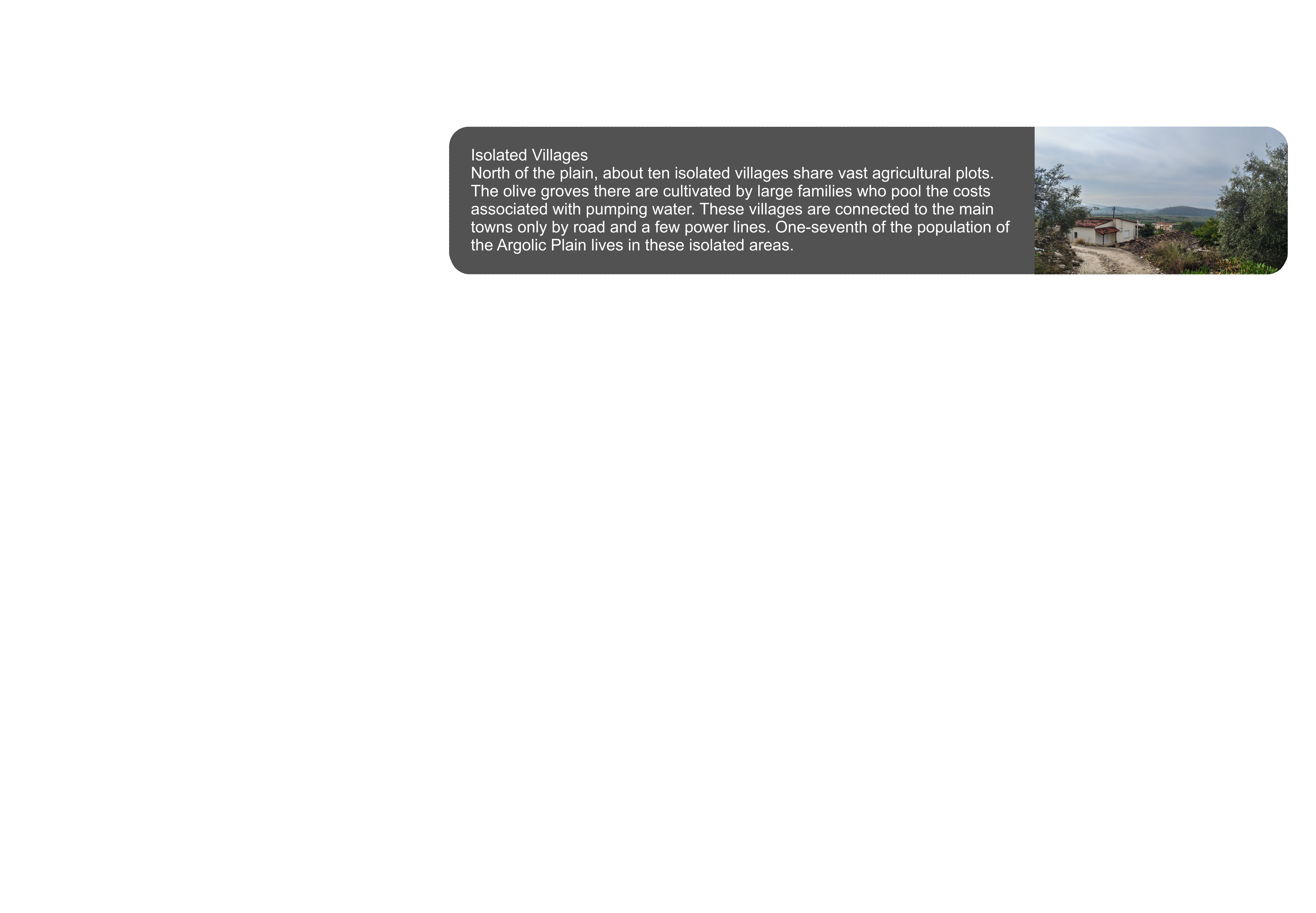
Behind the bustling terraces of Nafplio, another side of Argolis remains off the beaten path. Amid little-known hydraulic structures, fragile agricultural landscapes, and forgotten villages, the region reveals the limitations of a centralized model and the challenges of a future under climate stress.
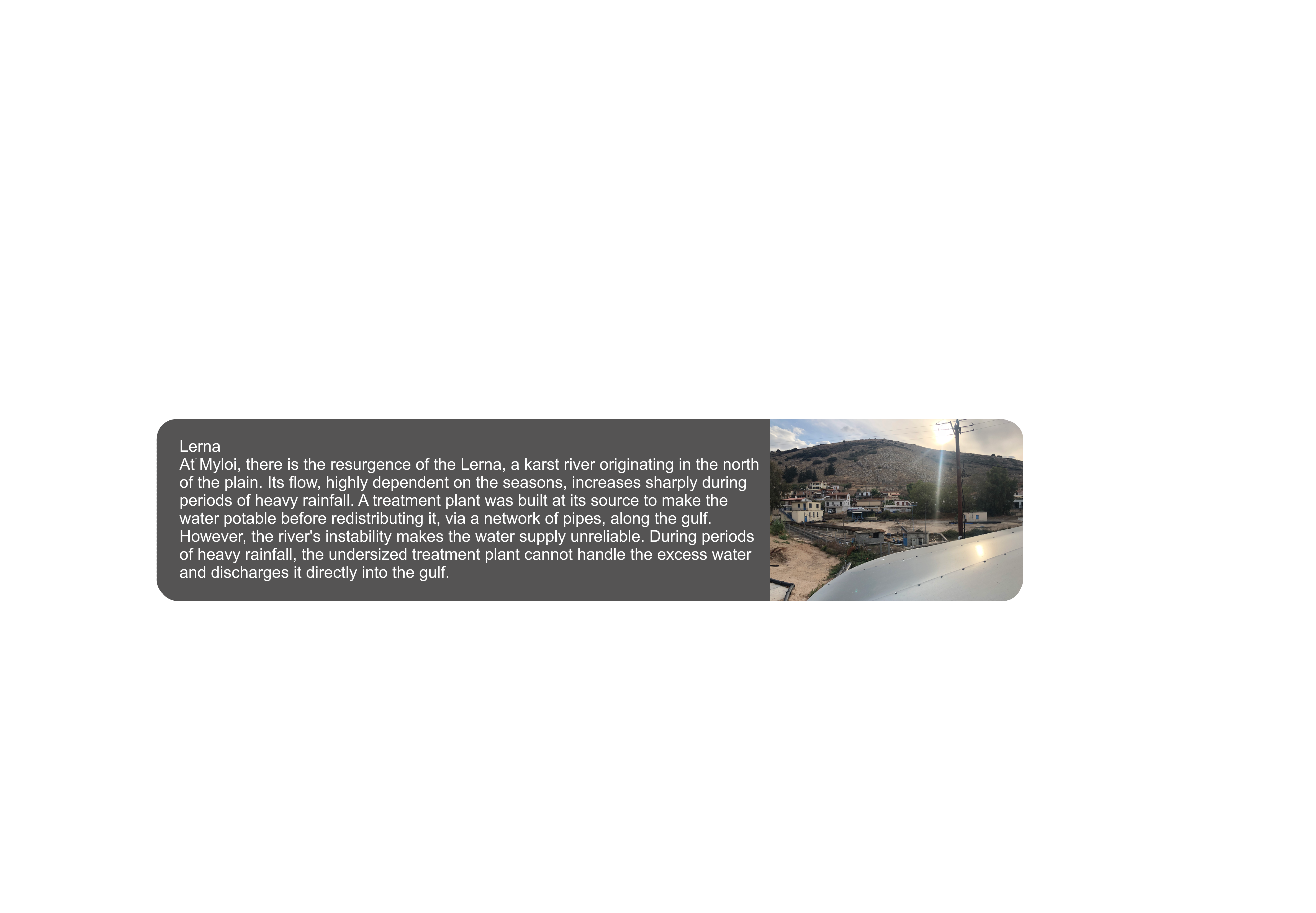
In Argolis, karst rivers invisibly connect the Arcadian plateaus to the springs of Lerna, forming a complex hydrological system that is difficult to manage. Between underground seepage and coastal resurgences, their behavior poses major challenges for water management in times of drought.


